Choosing the best paving for patios can feel difficult because there are many materials, colours, finishes and styles available. The right choice will depend on your budget, the look of your property, the intended use of the area and how much maintenance you are willing to complete.
Popular options include porcelain paving, Indian sandstone, limestone, granite, slate, concrete paving slabs and block paving. Each paving material offers different benefits, so it is important to compare the options before making a decision.
A well-designed patio can transform a garden into a useful outdoor space for dining, relaxing and spending time with family. It can also add value to a property and create a clear link between the home and the garden.
In this guide, McDonald Landscapes explains the different types of paving slabs, their advantages and the factors you should consider when choosing the best patio slabs for your project.
Choosing the right paving for your garden
Choosing paving for a garden is an important decision because good paving slabs can last for many years. Before buying products, think about how you want the finished outdoor area to look, how it will be used and how much upkeep it may require.
Some paving slabs are designed to create a traditional feel, while others offer clean lines and a contemporary finish. Natural stone often has distinctive colours, texture and variation, while manufactured paving usually provides a more uniform appearance.
You should also consider whether the paving will be used for main patio areas, paths, a garden path, pathways, driveways or high-traffic areas. Paving that is suitable for a quiet seating area may not be suitable for heavy vehicles or regular foot traffic.
The three things that usually have the greatest effect on your decision are appearance, performance and price. However, installation, maintenance, slip resistance, thickness, weight and resistance to British weather are also important.
What do you want to achieve?
Start by deciding what you want to create. You may want to replace a worn patio, build an outdoor dining space, add a seating area or improve access through the garden.
Think about the intended purpose of the paving and how it will affect the surrounding property. The colours and finishes should work with the walls, roof, fences and planting. Paving can either become a strong garden feature or sit quietly in the background.
If you want the patio to attract attention, choose paving slabs with interesting patterns, shades, veining or a textured surface. Riven sandstone, slate paving and Indian sandstone paving slabs can create a distinctive and natural look.
For a more modern design, smooth porcelain paving, granite paving slabs or large grey patio slabs can achieve a sleek appearance. These options are commonly used in contemporary gardens because they provide simple shapes, minimal texture and consistent colour.
The size of the paving slabs can also change the finished look. Large slabs can make smaller areas feel more open, while mixed sizes can add detail to larger areas. Consider the shape and laying pattern before you order your materials.

What is your budget?

Your budget will affect the paving options available, but choosing affordable paving does not mean accepting poor quality. There is a full range of attractive products at different price points.
Concrete paving is often a cost-effective choice. It is a man-made product that is typically cast in moulds, allowing manufacturers to produce slabs with a consistent size, thickness and finish. Some concrete paving slabs are specifically designed to replicate natural stone.
Manufactured paving can offer good value for homeowners who want an attractive patio without the price of premium stone. However, quality can vary, so check the strength, surface finish and expected life of each product.
Natural stone paving may cost more because it is quarried, cut, packed and transported from different locations. Indian sandstone is widely available and remains one of the most popular choices for UK patios. Granite and high-quality limestone may have a higher buying price, but their durability can provide good long-term value.
Porcelain paving may also have a higher initial cost. However, its low water absorption, resistance to staining and minimal maintenance can make it worth considering. The total cost should include the slabs, delivery, cutting, laying materials, installation, sealing and future maintenance.
Cheaper paving slabs can sometimes crack, fade or become worn more quickly. Paying for better quality at the start may reduce the chance of repairs and replacement costs later.
Match the Paving to Your Property
The style of the home should influence your choice of patio paving. Traditional properties often suit natural stone, block paving, carpet stones, clay pavers or reconstituted stone.
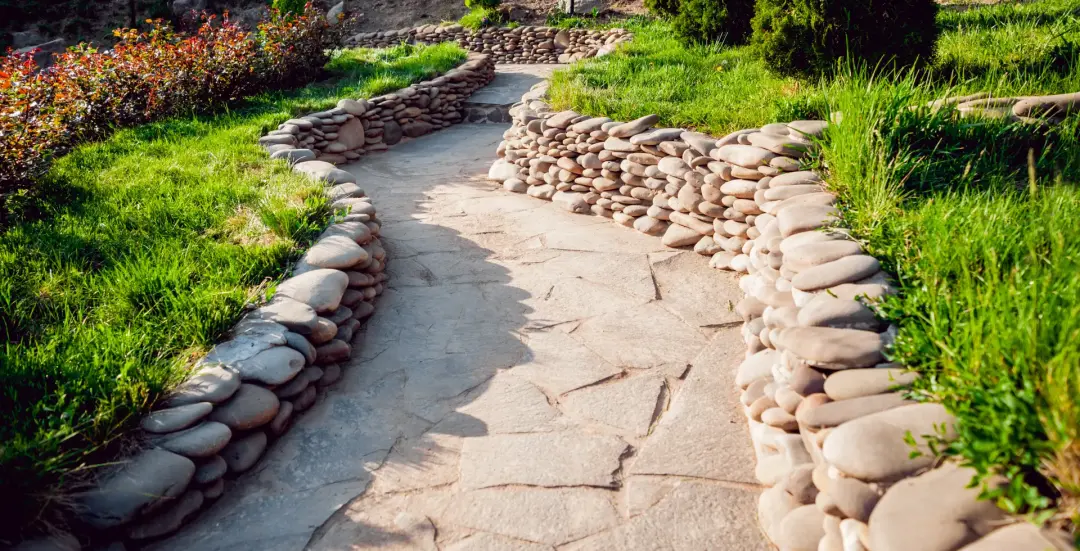
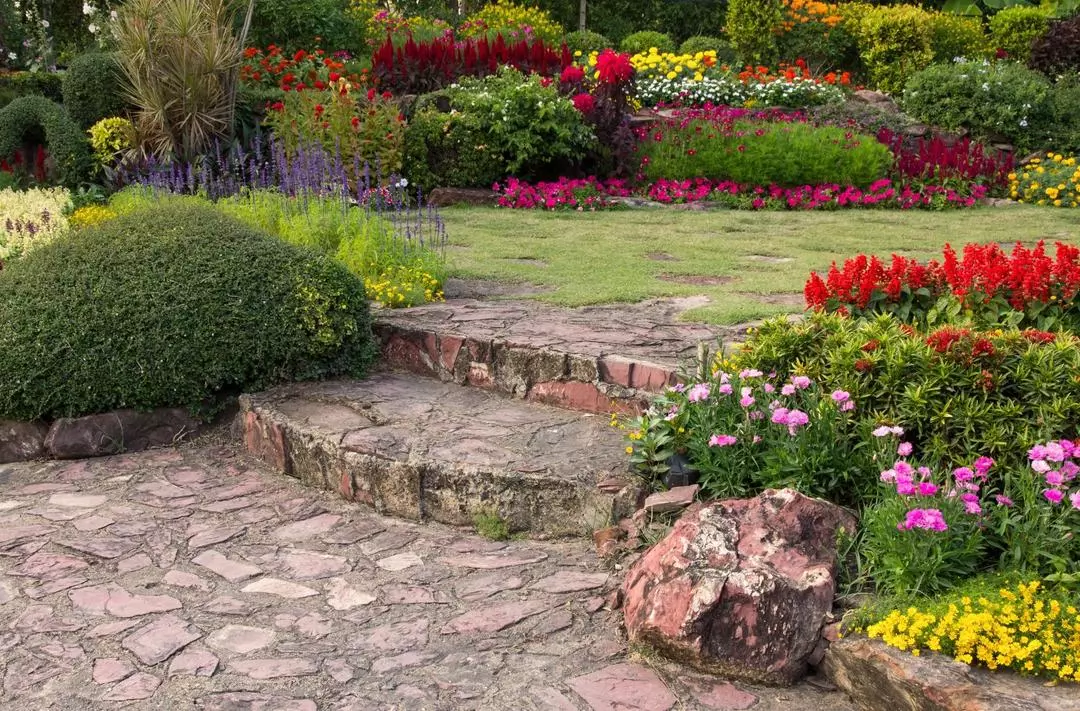
Indian sandstone can add warm tones and natural variation to cottage gardens and older homes. Riven sandstone has a textured finish that can create a traditional feel, particularly when used with smaller slabs, setts or curved paths.
Limestone paving can work with both traditional and contemporary designs. Black limestone creates a bold look, while grey limestone provides subtle elegance. Natural limestone often has gentle variation and a smooth or lightly riven surface.
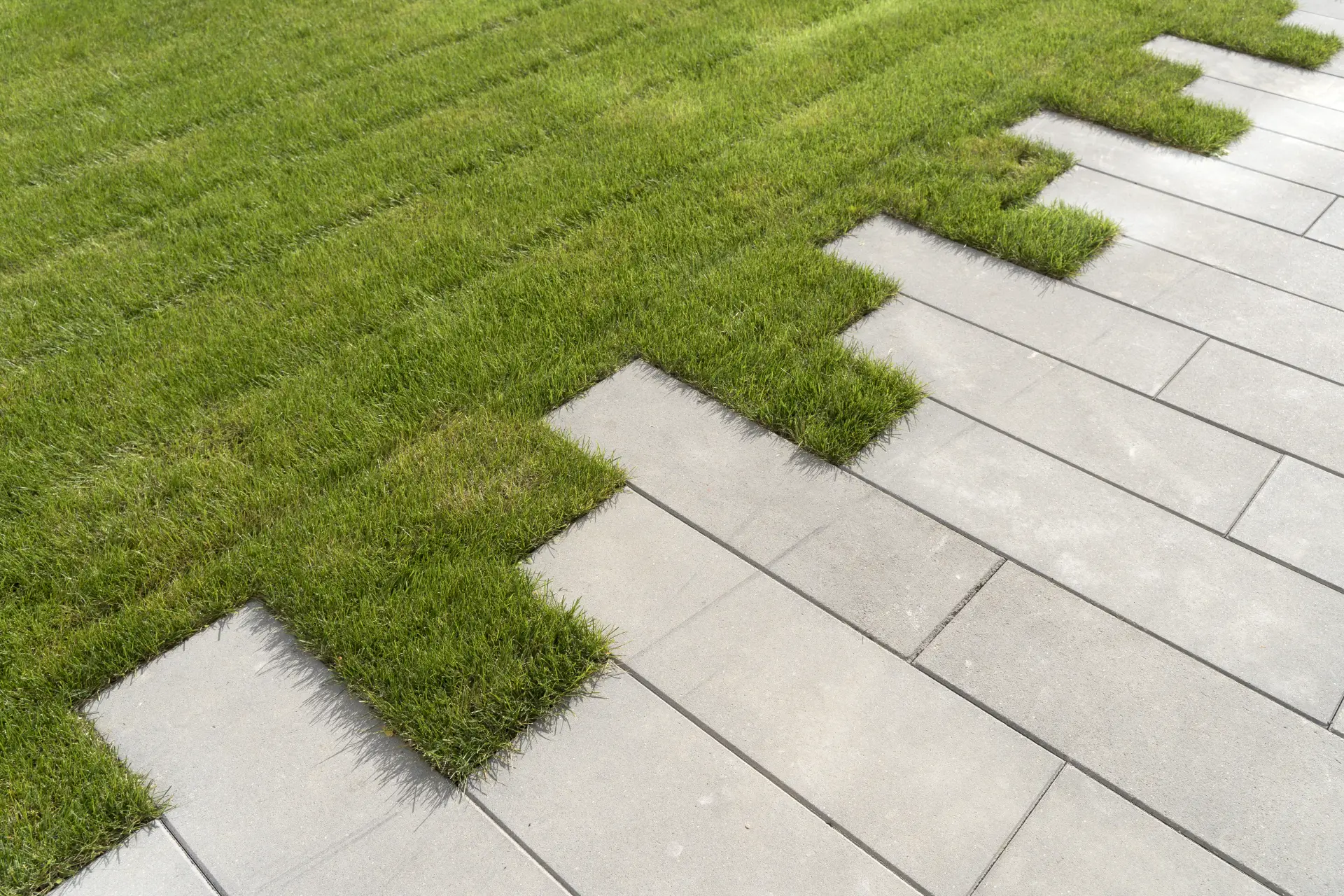
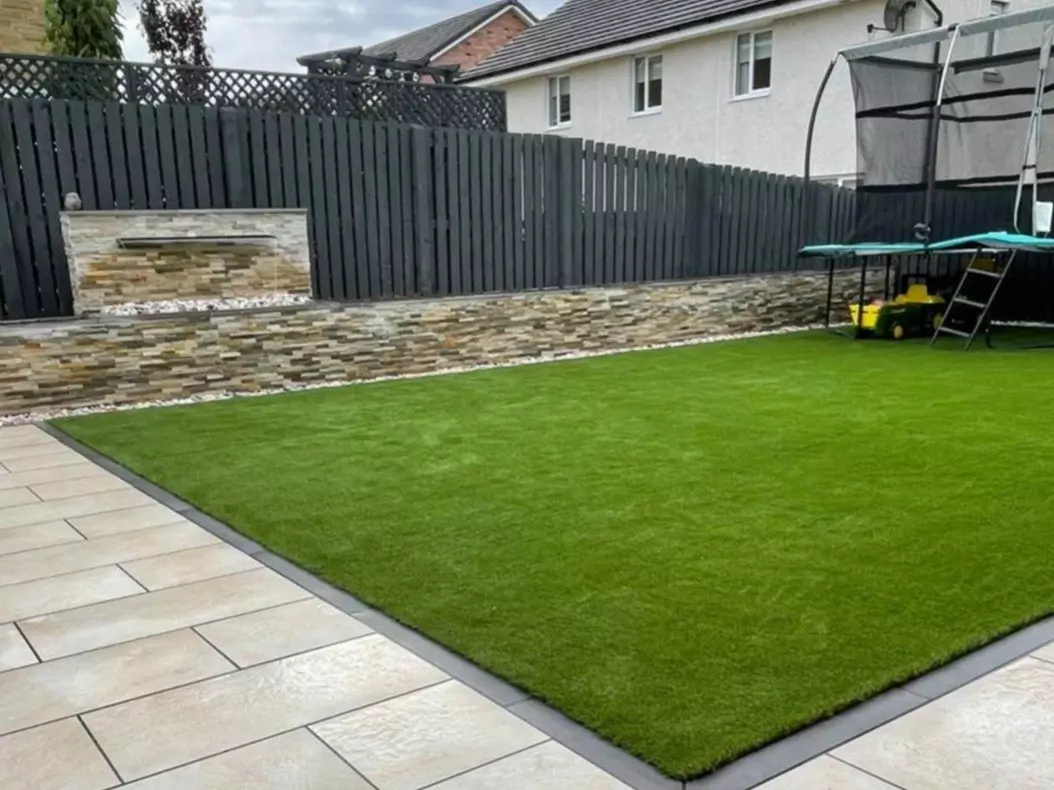
Modern homes tend to suit porcelain paving, outdoor porcelain tiles, slate paving and granite paving slabs. These materials can provide clean lines, a consistent finish and a strong contrast with planting.
A porcelain patio can be designed with large grey slabs for a simple contemporary look. Porcelain paving slabs can also replicate natural stone, real wood, concrete or slate, giving customers a wide range of options.
Before making a final decision, browse products online and order patio paving samples. Viewing patio paving samples in the garden will help you understand how the colours change in sunlight, shade and wet weather.

What Are the Main Types of Paving?
The main types of paving used for patios include natural stone, porcelain, concrete, block paving, clay, gravel and decking. Each option has its own appearance, installation needs and level of maintenance.
The best paving slabs for one garden may not suit another. Your decision depends on the style you want, your budget, the intended use and the amount of time you can spend keeping the surface clean.
Indian sandstone is one of the most popular paving materials for UK gardens. It offers a natural appearance, a wide range of colours and a surface with useful grip.
Indian sandstone paving slabs are available in shades of grey, black, brown, beige, red and warm tones. Each piece of sandstone has its own colour differences, markings and texture, creating a unique style.
Because Indian sandstone is natural stone, variation should be expected. This natural variation is part of its appeal, but it means the slabs will not have the same uniform colour as porcelain paving or manufactured paving.
Riven Indian sandstone has a naturally split surface. The texture can provide good slip resistance, although the level of grip depends on the finish, installation and weather conditions. Sawn Indian sandstone has smoother faces and sawn edges, which create a more modern look.
Indian sandstone is a versatile choice for patios, paths and garden features. It can suit cottage gardens, traditional homes and contemporary gardens, depending on the colour and finish selected.
Sandstone is porous and may absorb water, dirt and staining. Sealing can protect the paving, reduce fading and make cleaning easier. However, the stone must be installed correctly and allowed to dry before sealing.
Regular maintenance may include sweeping, washing and removing moss or algae. Some sandstone requires more maintenance than porcelain, but good-quality stone can remain attractive for many years.
When buying Indian sandstone paving slabs, check the thickness and quality of the collection. Very thin or uneven slabs can be harder to install and may break during handling or cutting.
Limestone is another popular natural stone for patios. Limestone paving slabs are known for their smooth texture, rich colours and elegant appearance.
Black limestone can create a strong, contemporary finish, while blue-grey limestone can provide a softer look. Other limestone colours include beige, cream and brown.
Natural limestone often has a more consistent surface than riven sandstone, but it still includes natural variation. Some pieces may show veining, small fossils or changes in shade.
Limestone paving can suit both traditional and modern gardens. Tumbled limestone creates an aged traditional feel, while sawn limestone offers clean lines for contemporary designs.
The surface of limestone may change over time. Black limestone is particularly prone to colour fading if it is left unsealed or cleaned with unsuitable chemicals. A suitable sealer can help protect the stone and maintain its desired appearance.
Limestone is also susceptible to acid damage and chemical erosion. Acidic cleaners should not be used because they can harm the surface. Always test a cleaning product on a limited hidden area before covering the full patio.
Correct laying and drainage are important because standing water and frost may increase the risk of surface damage. With good installation and maintenance, limestone can remain durable and attractive for years.
Granite is an incredibly hard-wearing natural stone. It offers exceptional strength, excellent durability and strong resistance to weather.
Granite paving slabs are suitable for patios, paths, driveways and high-traffic areas. Their performance makes granite a valuable option for busy outdoor locations.
Granite is formed from minerals including quartz and feldspar. These minerals help create its distinctive appearance and strong structure. Granite is commonly available in grey, black, silver, beige and pink shades.
The surface can be flamed, bush hammered, sawn or leathered. A flamed or textured surface provides better grip than highly polished granite, making it more suitable for outdoor paving.
Granite has a modern appearance, but it can also work with traditional properties when used as setts or smaller paving stones. Large granite slabs are often selected for clean, contemporary garden designs.
Although granite is highly resistant to scratching and general wear, installation can be hard work because the stone is heavy. Cutting may require suitable equipment, and professional laying is often recommended.
Granite can cost more than sandstone or concrete, but its strength and long life can provide good value. For homeowners who need paving for patios and driveways, granite is often considered a reliable choice.
Slate paving has a distinctive layered texture and deep colours. Popular shades include black, blue, grey, green and purple.
Natural slate can create a stylish patio with a modern or traditional appearance. Its dark colours work well with light walls, timber features and bright planting.
Slate is formed in thin layers, so quality and thickness are important. Poor-quality slate may be prone to flaking, while good-quality slate paving can be strong and durable when installed correctly.
Some slate paving has a riven finish that provides natural texture and grip. Smoother slate may become slippery when wet, so slip resistance should be considered before buying.
Slate can be susceptible to frost damage if it has a high absorption rate. Products with low absorption and good frost resistance are better suited to British weather.
Slate paving may require sealing to reduce staining and help protect the surface. The exact upkeep depends on the stone type, finish and location.
Porcelain paving slabs that replicate slate are a useful alternative for customers who want the look of black or grey slate with more consistent colour and minimal maintenance.
Porcelain paving is an increasingly popular choice for modern patios. It is made by firing clay and other materials at very high temperatures, creating a dense, strong and non-porous surface.
Outdoor porcelain tiles are specifically designed for exterior use. They should not be confused with thin indoor tiles, which may not have the strength, thickness or slip resistance required for an outdoor area.
Porcelain paving has a very low absorption rate. Many porcelain paving slabs absorb less than 0.5 per cent of water, although the exact result depends on the product. Low water absorption makes porcelain highly resistant to frost, staining, algae and colour fading.
Because porcelain is non-porous, dirt is less likely to enter the surface. Most patios only need regular sweeping and occasional washing, making porcelain a low-maintenance option.
Porcelain paving is also scratch-resistant and hard-wearing. It is suitable for family gardens, dining areas, pool surrounds and other high-traffic areas when the correct product is selected.
Modern printing and manufacturing methods allow porcelain paving slabs to replicate natural stone, slate, concrete and real wood. These finishes can provide the appearance of natural materials with greater consistency.
Grey porcelain is one of the most popular choices for contemporary gardens. Black, beige, cream and brown options are also widely available. Some ranges include a variety of colours and finishes, allowing homeowners to create unique patterns.
How Much Does a Porcelain Patio Cost
Porcelain offers clean lines, minimal texture and consistent colour. However, some products include printed variation to replicate sandstone, limestone or granite more closely.
Correct installation is important. Porcelain slabs require a suitable full mortar bed and a bonding primer on the underside. Laying porcelain without the right materials may cause the slabs to move or become loose.
Cutting porcelain can also require specialist blades because the material is hard. A professional installer may achieve better results, especially where there are many corners, steps or drainage channels.
Porcelain is a great option for people who want a modern, tidy patio with minimal maintenance. Its resistance to frost, water, fading and staining makes it a popular choice throughout the UK.
How Much Does a Porcelain Patio Cost
Concrete paving slabs offer flexibility, good value and a large range of designs. They are produced by mixing cement, aggregates, water and colouring materials before the mixture is cast into moulds.
Manufacturers can create concrete slabs in many shapes, sizes, colours and finishes. Some products have a smooth surface, while others are textured to replicate natural stone.
Concrete paving can suit modern and traditional gardens. Grey concrete slabs with straight edges offer a contemporary appearance, while riven products can create the look of sandstone.
Reconstituted stone is a form of manufactured paving made using concrete and selected aggregates. It is designed to replicate the colours and texture of quarried stone at a more accessible price.
Concrete can be strong and durable, but quality varies between products. Lower-quality slabs may be more susceptible to staining, frost damage, fading or cracking.
Some concrete paving benefits from sealing, particularly in dining areas where food and drink may be spilt. Sealing can reduce staining and make the surface easier to clean.
Concrete paving slabs are often cost-effective and easier to source than some natural stone products. They are suitable for patios, paths and other garden areas, although products intended for patios may not be suitable for driveways.
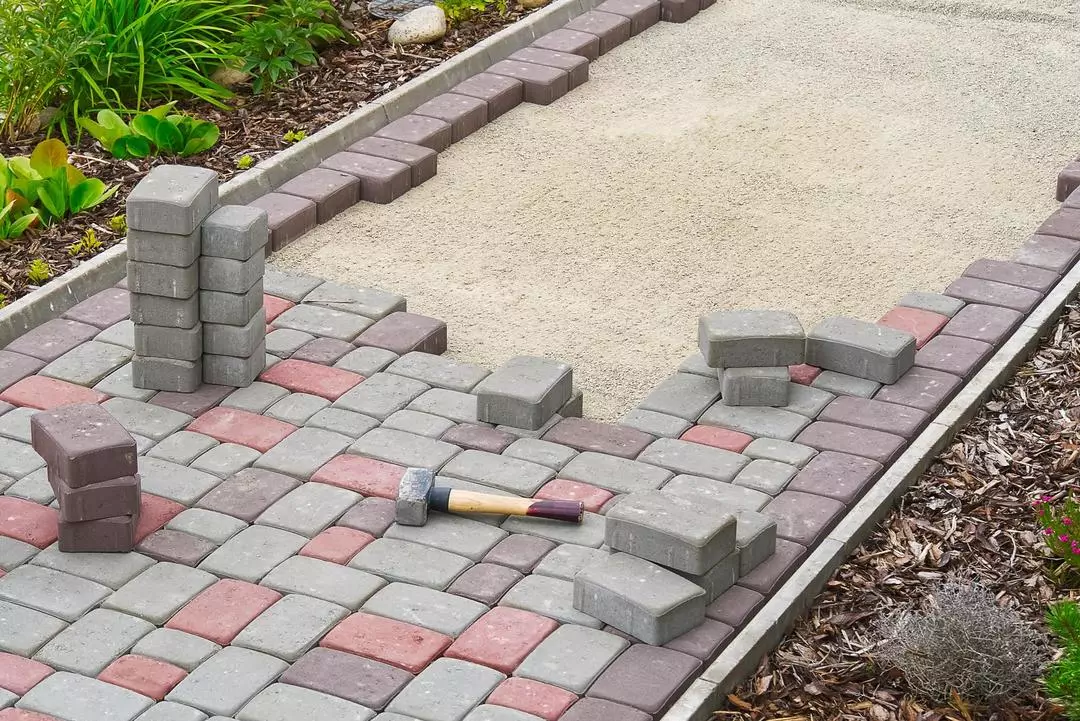
Block paving is commonly used for driveways, pathways and smaller patio areas. It is made from concrete or clay blocks installed in a set pattern.
One advantage of block paving is the variety of colours, sizes and patterns available. Popular colours include red, brown, charcoal, black and grey.
Block paving can add a traditional feel to older homes, but simple grey blocks can also suit modern properties. Different patterns can be used to create borders, paths and separate garden areas.
Individual blocks can be replaced if they become damaged, which may make repairs easier. However, weeds, moss and dirt can collect in the joints if the paving is not maintained.
A strong sub-base and correct edge restraints are important. Poor installation can cause blocks to sink, spread or become uneven.
Block paving is a good choice for driveways because it can handle vehicle weight when the base is designed correctly. Patio paving products should always be checked for their intended use before installation.
Clay paving is made by shaping and firing clay at high temperatures. It is widely used for paths, patios and driveways.
Clay pavers offer rich natural colours that can develop character over time. Red, brown and brindle shades work particularly well with traditional brick properties.
Unlike surface-coloured concrete, the colour of clay runs through the full product. This means normal wear is less likely to expose a different colour underneath.
Clay can be durable and resistant to fading, but it may cost more than standard concrete block paving. The finished result can add a distinctive and valuable feature to a property.
Carpet stones are small concrete blocks attached to a flexible mat. They can be used on curved paths, slopes and areas where standard slabs may be difficult to lay.
Stone and concrete setts are useful for borders, pathways and traditional paving patterns. Granite setts are hard-wearing and suitable for high-traffic areas, while sandstone setts can add softer colours and texture.
Gravel is another cost-effective alternative. It is quick to install and works well for informal paths, but it may move underfoot and require regular tidying.
Decking can create a warm appearance and may be suitable for raised areas. However, real wood decking usually requires more maintenance than porcelain or stone. It can also become slippery when wet if algae develops.
These alternatives may be used alone or combined with paving slabs to add texture and distinction between different parts of the garden.
Which Paving Is Easiest to Maintain?
Porcelain paving generally requires the least upkeep because it is dense, non-porous and highly resistant to staining. Regular sweeping and washing are usually enough to keep the surface clean.
Granite also offers good resistance to dirt and wear, although textured granite may need occasional cleaning to remove material held in the surface.
Concrete, sandstone, limestone and slate may require sealing, depending on the product and desired finish. Natural stone is more likely to absorb water and staining than porcelain.
No paving is completely free from maintenance. Leaves, soil and standing water can encourage moss and algae on almost any outdoor surface. Regular cleaning and good drainage will help protect the patio.
Which Paving Is Best for Wet or Shaded Areas?
For wet or shaded locations, choose paving with tested slip resistance and a surface that provides suitable grip.
Textured porcelain paving, riven sandstone and flamed granite can perform well when selected and installed correctly. Very smooth paving may become slippery when wet.
A shaded garden may also be more prone to moss and algae. Non-porous porcelain can make growth easier to remove, while porous natural stone may need more frequent cleaning.
Drainage is just as important as the paving material. The patio should have a suitable fall so that water moves away from the house and does not remain on the surface.

Which Paving Is Best Around a Pool?
Paving around a pool should have good slip resistance, low water absorption and resistance to chemicals.
Outdoor porcelain tiles are a popular option because they are non-porous, resistant to staining and available with textured finishes. However, the specific product must be approved for pool areas.
Granite and some types of natural stone may also be suitable. Consider how the paving reacts to pool chemicals, salt and regular water exposure.
Dark paving can become hot in strong sunlight, so colour should be taken into account. Lighter shades may remain more comfortable under bare feet.
Does Paving Need to Be Sealed?
Not every paving material needs sealing. Most porcelain paving does not require a sealer because it has low water absorption.
Sandstone, limestone, slate and concrete may benefit from sealing. A suitable product can reduce staining, protect colours and make maintenance easier.
However, sealing should not be treated as a way to repair poor installation. The paving must be clean, dry and correctly laid before a sealer is applied.
Some sealers change the appearance of the paving by deepening the colours or adding a sheen. Always test the product on a spare slab or hidden area first.
Think About Installation
Good paving materials can perform poorly if they are not installed correctly. The base, mortar, joints, drainage and falls all affect the life of the patio.
The ground must be prepared to suit the paving and intended use. Driveways require a stronger base than normal patios because they must carry vehicle weight.
Natural stone and porcelain should normally be laid on a full mortar bed rather than separate spots of mortar. A full bed provides better support and reduces the chance of slabs cracking or moving.
Porcelain paving slabs need a bonding primer applied to the underside. Natural stone may also benefit from a primer, particularly where the slab has a smooth sawn back.
The installer should allow for suitable joint widths and use a jointing product designed for the paving type. Correct joints help manage movement and prevent water from reaching weak areas.
Check the slab thickness before making changes to levels, steps and doors. The finished patio must remain below the damp-proof course of the property unless a specifically designed system is used.
Consider Drainage and Weather
All outdoor paving must deal with changing weather. In the UK, patios may face heavy rain, frost, sunlight and rapid temperature changes.
A patio should be installed with a gentle fall so that water drains away. Standing water can lead to algae, staining, frost damage and problems with the joints.
Frost-resistant paving is important in exposed locations. Porcelain, granite and selected natural stone products can perform well, but suitability should always be checked with the supplier.
Porous stone can absorb water. If that water freezes and expands, weak stone may crack or flake. Correct installation, drainage and sealing can reduce the risk.
How to Choose Paving Colours
Paving colours can change the feel of a garden. Light colours can make a small space appear larger, while black or dark grey paving can create a bold contemporary look.
Warm sandstone colours often suit red brick, timber fences and traditional planting. Beige limestone can provide a softer background for cottage gardens.
Grey porcelain paving, granite and slate are popular in modern gardens because they complement white render, glass and dark metal features.
Remember that paving may look different when wet. Natural stone can also show greater variation than a small sample suggests. It is sensible to view several slabs from the same collection before buying.
When natural paving is installed, slabs should be selected from different packs during laying. Mixing the slabs helps spread colour variation evenly across the patio.
How to Compare Paving Quality
Do not judge paving by appearance alone. Check the thickness, size tolerance, surface strength, frost resistance, absorption rate and recommended use.
Ask whether the product is designed for patios, paths, driveways or pool areas. A thin slab intended for foot traffic may break if used for vehicles.
For natural stone, look for consistent thickness and sound edges. Some variation is normal, but very large differences can make installation harder.
For porcelain, check that the product is suitable for outdoor use and has an appropriate slip resistance rating. Indoor tiles should not be used outside simply because they have a similar appearance.
For concrete, look at the strength, finish and colour consistency. Some fading may occur over time, especially on lower-cost surface-coloured products.
A good supplier should provide clear information, technical details and advice. Customers should have the chance to ask questions and understand the product before placing an order.
What Is the Best Paving for Patios?
There is no single material that is best for every patio. The right choice depends on the garden, property, budget and level of maintenance you prefer.
Porcelain paving is often the go-to choice for a low-maintenance, modern patio. It is hard-wearing, frost-resistant and highly resistant to staining and colour fading.
Indian sandstone is ideal for homeowners who want natural colours, varied texture and a traditional appearance. It is versatile, widely available and suitable for many garden styles.
Limestone paving offers subtle elegance and can work in both modern and traditional spaces. Granite provides exceptional strength and is a valuable choice for patios, paths and driveways.
Slate paving creates a distinctive dark surface, while concrete paving slabs provide affordable colours and finishes. Block paving is especially useful for driveways, pathways, borders and smaller areas.
The best paving is the paving that suits the intended use, works with the property and remains within the available budget. Take time to compare materials, view samples and consider installation before making the final choice.

Best Paving for Patios
A well-planned patio can transform an outdoor space and make the garden easier to use throughout the year. The paving should look good, feel safe underfoot and perform well in changing weather.
Before buying, explore the full range of slabs, colours and finishes available. Compare porcelain, sandstone, limestone, granite, slate, concrete and block paving based on price, maintenance, durability and style.
Think about drainage, sealing, cutting, laying and long-term care. Good preparation and professional installation can be just as important as choosing high-quality paving slabs.
By taking these factors into account, you can create an attractive, durable and practical patio that complements your home and provides a good outdoor area for many years.
Are you asking: What Paving Is Best For My Patio? Seeing the products themselves creates a much better visual for imagining your brand-new patio. Instead of just looking online, we recommend that you look at physical samples of the material you are interested in, aiding in this visualising.
McDonald Landscapers is an established and reputable company in Ayrshire with years of local landscaping experience.
We provide soft and hard landscaping services throughout Ayrshire, Ayr, Prestwick and Braehead. If you have any questions, queries, or expert advice, please do not hesitate to contact us today.